
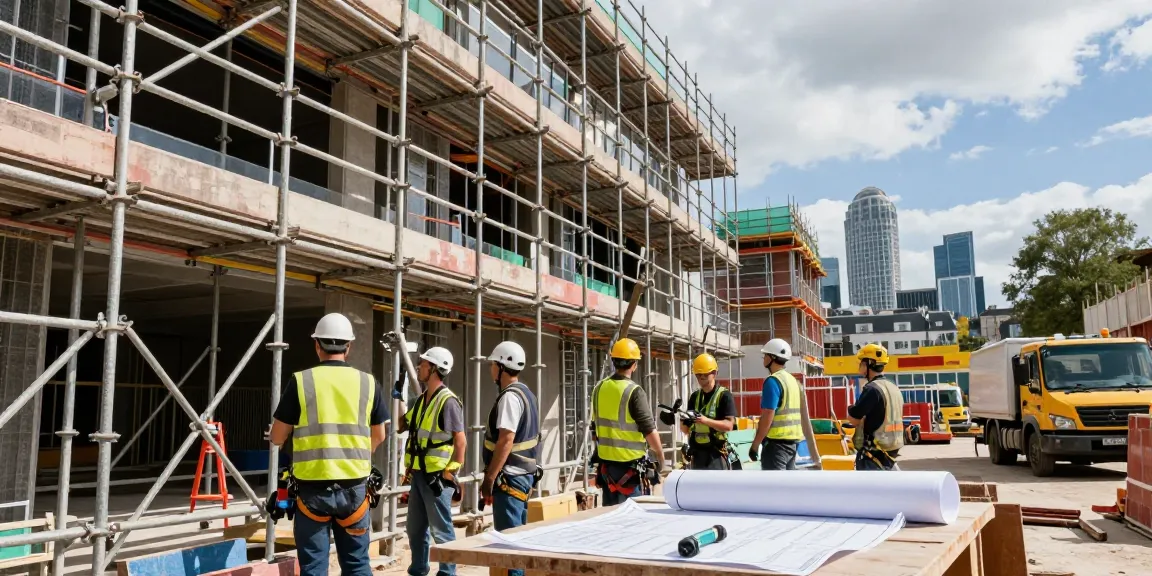
Understanding Commercial Scaffolding
In the dynamic world of construction, commercial scaffolding plays a pivotal role in ensuring the safety and efficiency of building projects. This scaffolding system is specifically designed for large-scale commercial constructions, facilitating various tasks such as renovations, restorations, and height access for workers. Understanding commercial scaffolding means recognizing its importance not only in safeguarding workers but also in enhancing project workflow and compliance with safety regulations.
What is Commercial Scaffolding?
Commercial scaffolding refers to temporary structures erected to support construction workers and materials during the building, renovation, or maintenance of commercial properties. It provides a safe and accessible working platform at various heights, depending on the project’s requirements. Scaffolding can vary in complexity, from simple platforms to elaborate multi-tiered structures. The materials used typically include steel, aluminum, and sometimes wood, ensuring both robustness and adaptability to different building sites.
Key Benefits of Using Scaffolding in Commercial Projects
- Enhanced Safety: One of the most significant advantages of using commercial scaffolding is the safety it provides. It helps protect workers from falls and other accidents associated with working at height.
- Improved Efficiency: Scaffolding allows workers to access hard-to-reach areas more easily, thus speeding up the construction or renovation processes.
- Increased Flexibility: With various designs available, scaffolding can be tailored to fit the specific needs of any project, accommodating different building shapes and heights.
- Cost-Effective Solutions: By optimizing worker safety and efficiency, commercial scaffolding can lead to reduced construction time and associated costs.
Types of Commercial Scaffolding Solutions
There are several types of commercial scaffolding solutions available, each designed to meet diverse project needs:
- Frame Scaffolding: This is the most commonly used type, consisting of pre-fabricated frames that are easy to assemble and disassemble.
- System Scaffolding: A versatile option that utilizes modular components, allowing for complex configurations tailored to specific project requirements.
- Suspended Scaffolding: Ideal for high-rise buildings, this type is suspended by ropes or other lifting devices and provides access to vertical surfaces.
- Mobile Scaffolding: This includes movable scaffolding units that can be repositioned throughout a project, enhancing workflow and access.
Planning Your Scaffolding Project
Effective planning is critical to the success of any scaffolding project. It involves assessing the project scope, site conditions, and specific safety regulations that must be adhered to.
Steps for Effective Project Planning
- Define Project Requirements: Establish what type of scaffolding is required based on the project scope and site conditions.
- Evaluate Site Safety: Conduct a thorough site assessment to identify potential hazards and logistical challenges, such as ground stability and space restrictions.
- Engage Professional Support: Consult with scaffolding experts to ensure compliance with local regulations and best practices.
Assessing Site Requirements and Challenges
Before erecting scaffolding, it is essential to assess the site for any challenges that may affect the installation and stability of the structure. This could include uneven terrain, overhead obstacles, or proximity to public areas. Having a clear understanding of these factors allows for strategic planning and execution.
Obtaining Necessary Scaffolding Permits
In many jurisdictions, obtaining scaffolding permits is essential for legal compliance. These permits ensure that the installation adheres to safety standards and regulations set forth by local authorities. Working closely with local councils or regulatory bodies can facilitate this process and avoid project delays.
Scaffolding Erection and Dismantling Services
Proper scaffolding erection and dismantling are vital components of any commercial scaffolding project. These processes require skilled professionals who are trained to perform these tasks safely and efficiently.
Best Practices for Erection Safety
When it comes to erecting scaffolding, following best practices is crucial to ensure the safety of all personnel involved. This includes conducting pre-erection inspections, using high-quality materials, and adhering to load capacities.
Efficient Dismantling Techniques
Dismantling scaffolding requires careful planning to prevent accidents and ensure that materials are safely removed. It is essential to follow a step-by-step approach, starting from the top and working downwards, to maintain structural integrity until the last moment.
Common Challenges During Erection and Dismantling
During the erection and dismantling phases, various challenges can arise, such as adverse weather conditions, equipment malfunction, or unforeseen structural issues. Having contingency plans in place can mitigate these risks and ensure a smoother process.
Additional Safety Measures in Commercial Scaffolding
Beyond basic scaffolding structure, implementing additional safety measures is crucial to maintaining a secure working environment.
The Importance of Edge Protection and Handrails
Edge protection systems and handrails are essential for safeguarding workers operating at height. They prevent falls and provide secure points for workers to hold onto while moving around the scaffolding.
Inspection Services: Ensuring Compliance and Safety
Regular inspections of scaffolding structures are vital to ensure compliance with safety standards. These inspections should be carried out by trained professionals, ideally on a weekly basis, or at the beginning of each work shift to identify any potential hazards.
Chimney Access Platforms and Their Necessity
For projects involving chimney work, specialized access platforms may be required to ensure safe and effective operations. These structures are designed to provide a stable working area around chimneys and allow workers to perform maintenance or repairs without compromising safety.
Future Trends in Commercial Scaffolding
As the construction industry evolves, so do the methods and technologies associated with scaffolding. Understanding these trends can give companies a competitive edge in the marketplace.
Innovative Scaffolding Solutions for 2026
Looking towards the future, innovations in scaffolding materials and techniques are on the rise. Flexible scaffolding systems and advanced materials such as lightweight composites are being developed to enhance efficiency and safety.
Technology Integration in Scaffolding Practices
Technology is playing an increasingly significant role in scaffolding. The integration of mobile applications for scheduling inspections, monitoring safety compliance, and managing assets is becoming common. This technological advancement provides real-time data and improves overall project management.
Environmental Considerations and Sustainability Practices
With a growing focus on sustainability, the scaffolding industry is moving towards eco-friendly practices. This includes using recyclable materials, reducing waste during construction, and implementing energy-efficient processes.
Frequently Asked Questions
What is commercial scaffolding?
Commercial scaffolding is a temporary structure designed to support workers and materials in commercial construction projects, ensuring safe access and work at height.
How do I choose the right scaffolding service?
Choosing the right scaffolding service involves evaluating their experience, safety track record, compliance with regulations, and the range of services they offer.
What safety measures are required for scaffolding?
Essential safety measures for scaffolding include edge protection, handrails, regular inspections, and adherence to load capacities.
How often should scaffolding be inspected?
Scaffolding should be inspected at least weekly or before each work shift to ensure ongoing safety compliance.
What are the trends in scaffolding for 2026?
Trends for 2026 include the adoption of innovative materials, the integration of technology in management practices, and a focus on sustainability and environmental considerations.
