
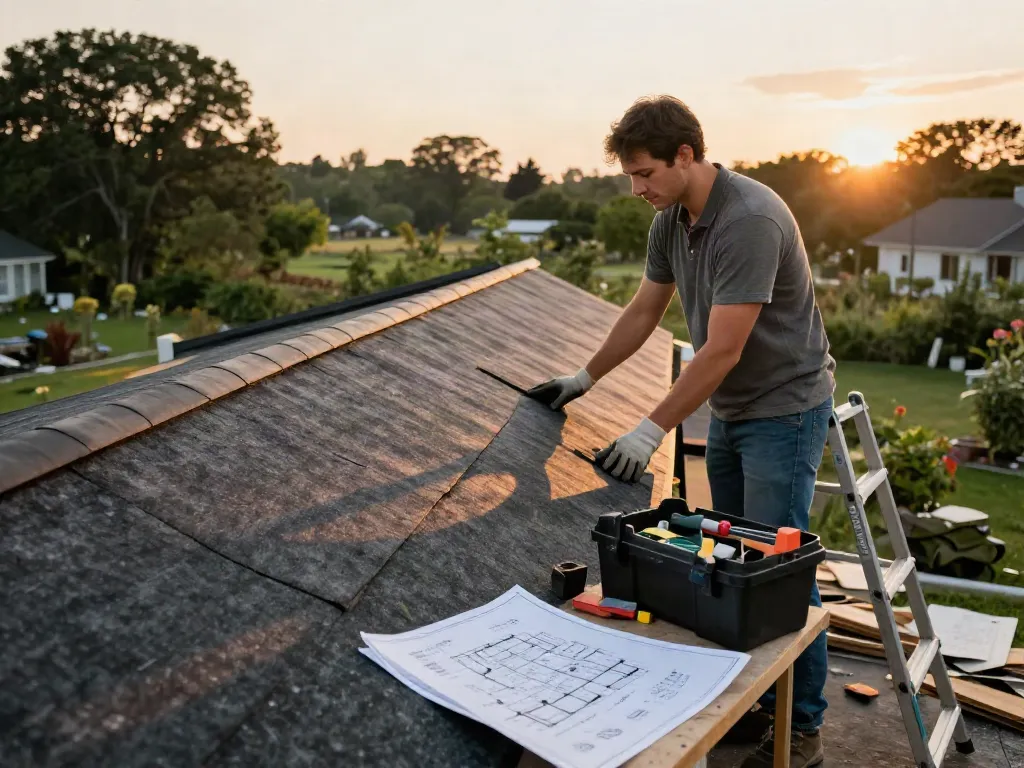
Understanding Felt Roofing: What Homeowners Need to Know
Felt roofing is a popular choice among homeowners for various flat roofing applications, ranging from garages to extensions. It provides a reliable barrier against the elements and is often an economical solution for many property owners. However, not all felt roofing systems are created equal, and understanding their benefits and applications is essential for making informed decisions. When exploring options, felt roofing can offer significant insights into the best practices for installation and maintenance.
What is Felt Roofing and Its Benefits?
Felt roofing consists of a series of layers, typically made from bitumen or synthetic materials, that provide waterproofing and insulation for flat or low-slope roofs. The main benefits of felt roofing include:
- Cost-Effectiveness: Felt roofing is generally less expensive to install compared to other roofing materials such as tiles or metal.
- Durability: When installed properly, felt roofing can last between 10 to 20 years, depending on the material used and weather conditions.
- Ease of Installation: Felt roofing can be applied quickly, with minimal disruption to the homeowner.
- Adaptability: It can be used on various structures, including residential homes, garages, and commercial buildings.
Common Uses of Felt Roofing in Residential Properties
Felt roofing is widely used in residential properties for several applications:
- Garages: A common area for felt roofing due to its cost-effectiveness and reliable waterproofing.
- Extensions: Home extensions often utilize felt roofing as an economical solution to flat roof design.
- Sheds and Outbuildings: The durability and protection against the elements make felt roofing ideal for these structures.
- Flat Roofs: Many modern homes feature flat roofs where felt roofing provides a practical and aesthetic solution.
How Felt Roofing Protects Against Weather Elements
Felt roofing systems are designed to withstand various weather conditions, including rain, snow, and UV exposure. The layered structure ensures that water remains on the surface and drains away effectively, reducing the risk of leaks and water damage. Moreover, the top layer is often treated with granules to protect against sunlight, preventing deterioration over time.
Choosing the Right Materials for Your Felt Roofing
When considering felt roofing materials, it’s important to compare different types to find the one that best suits your specific needs.
Comparing Different Types of Felt Roofing Materials
There are two main types of felt roofing materials to consider:
- Bitumen Felt: Traditional option that provides solid waterproofing but can become brittle over time.
- Synthetic Felt: More modern and often made from polyester or fiberglass, offering increased durability and flexibility.
Understanding the Role of Insulation in Felt Roofing
Proper insulation is critical for maximizing the lifespan and efficiency of your felt roofing system. Insulation helps regulate temperature, reducing heat loss and improving energy efficiency, especially in colder climates. Considerations include:
- Warm Roof Systems: Insulation is placed above the rafters, creating a warm living space beneath.
- Cold Roof Systems: Insulation is installed at ceiling level, allowing for ventilation that can help reduce condensation.
Common Mistakes to Avoid When Selecting Roofing Felt
Choosing the wrong felt roofing can lead to issues down the line. Here are some common mistakes to avoid:
- Opting for Inadequate Thickness: Always choose materials that meet the necessary thickness requirements for your specific roof type.
- Ignoring Environmental Conditions: Be sure to select materials suitable for your local climate.
- Overlooking Installation Details: Ensure proper installation to avoid issues such as bubbling or water pooling.
Finding Trusted Local Felt Roofing Specialists
Finding reliable felt roofing specialists is crucial for ensuring the longevity and effectiveness of your roofing system. Here are practical steps for locating qualified professionals.
How to Identify Experienced Roofers in Your Area
Look for roofers with a solid track record and positive customer reviews. Online platforms can help you locate experienced contractors who specialize in felt roofing. Always check for qualifications, such as NVQ certifications and memberships in relevant trade organizations.
Importance of Insurance and References When Hiring
Any reputable contractor should have valid insurance and provide references from previous work. This ensures that you’re protected against potential mishaps during the roofing project and gives you confidence in their workmanship.
Tips for Comparing Roofing Quotes Effectively
When obtaining quotes, consider the following:
- Compare not just the price, but also the scope of work, materials proposed, and warranty offered.
- Ask for a detailed breakdown to understand the costs associated with labor, materials, and any additional charges.
- Don’t hesitate to ask questions if any part of the quote is unclear.
Best Practices for Installing and Maintaining Felt Roofing
Proper installation and maintenance are key to ensuring the longevity of your felt roofing system.
Step-by-Step Guide to Installing Felt Roofing
Installing felt roofing requires careful planning and execution. The general steps include:
- Prepare the roof surface by ensuring it is clean and free of debris.
- Install a layer of roofing underlayment to provide additional protection.
- Apply the felt in overlapping layers, ensuring each piece bonds well with the underlayment.
- Seal edges and seams to prevent water ingress.
- Inspect the final installation for any flaws or areas needing attention.
Regular Maintenance Tips for Longevity
To ensure your felt roof remains in good condition:
- Inspect the roof regularly for signs of wear or damage.
- Clear any debris, leaves, or snow that may accumulate.
- Perform any repairs promptly to prevent minor issues from escalating.
Signs That Your Felt Roof Needs Repair or Replacement
Watch for these signs that indicate your felt roof may need attention:
- Visible leaks or water stains on interior ceilings.
- Bubbling or blistering on the roof surface.
- Cracking or lifting edges on the felt.
- Excessive granule loss from the surface.
Future Trends in Felt Roofing: What to Expect by 2026
As the roofing industry evolves, so too do the technologies and materials used for felt roofing. Here’s what you can expect in the coming years.
Innovations in Felt Roofing Technology and Materials
Future trends suggest a shift towards composite materials that combine the durability of felt with the lightweight nature of synthetic options, enhancing overall performance.
Environmental Considerations for Modern Felt Roofing
Expect to see a greater emphasis on eco-friendly materials and sustainable practices in roofing. Manufacturers are increasingly producing felt roofing options that are recyclable and made from recycled materials.
Expert Predictions for the Future of Roofing Solutions
Experts predict that advancements in roofing technologies, such as solar integration and smart materials, will lead to more energy-efficient homes, impacting the felt roofing segment significantly.
What are the benefits of using felt roofing?
Felt roofing provides excellent waterproofing, is cost-effective, and is suitable for various applications, making it a sound investment for homeowners.
How long does felt roofing typically last?
Felt roofing can last anywhere from 10 to 20 years, depending on proper installation and maintenance.
What should I look for when hiring a roofing contractor?
Ensure your contractor is experienced, offers proper insurance, provides references, and has good customer reviews.
How do I maintain my felt roof effectively?
Regularly inspect for signs of damage, clear debris, and perform repairs promptly to extend the lifespan of your roof.
What are common problems associated with felt roofing?
Common issues include leaks, blistering, cracking, and poor drainage if installation is not conducted correctly.